We are well aware that we live in a fast-paced world where everything is at our fingertips, just a click or a swipe away. Thanks to active social media profiles, we seem easily accessible to everyone, yet we have never been further apart when it comes to talking about certain topics. While it is easy to peek into other people’s posts and lives, communication about real-world struggles often faces “radio silence,” and we rarely find the time to truly ask each other how we are doing. Who are we when our phones are locked, and who are we when we are left alone – just with ourselves?
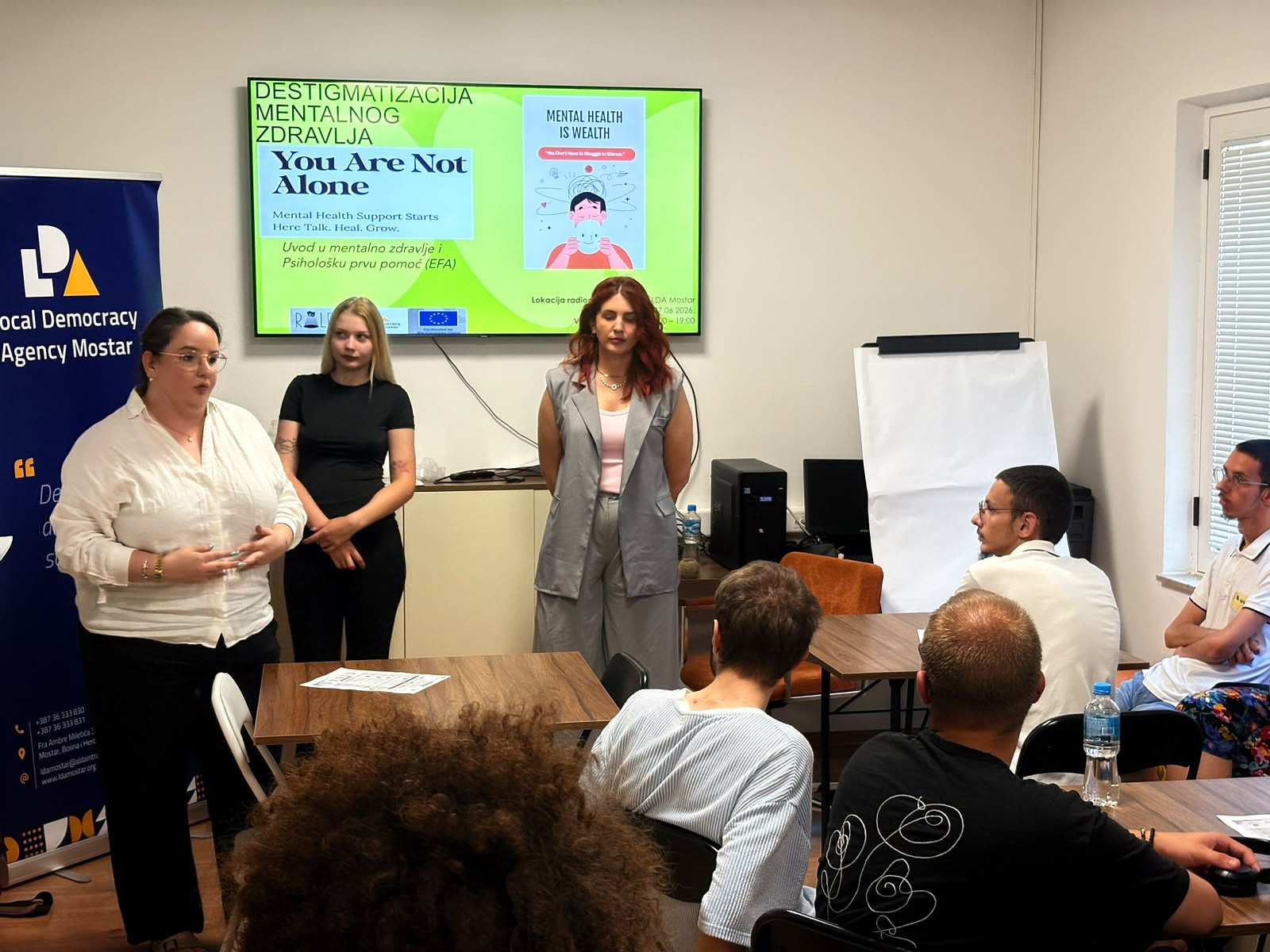
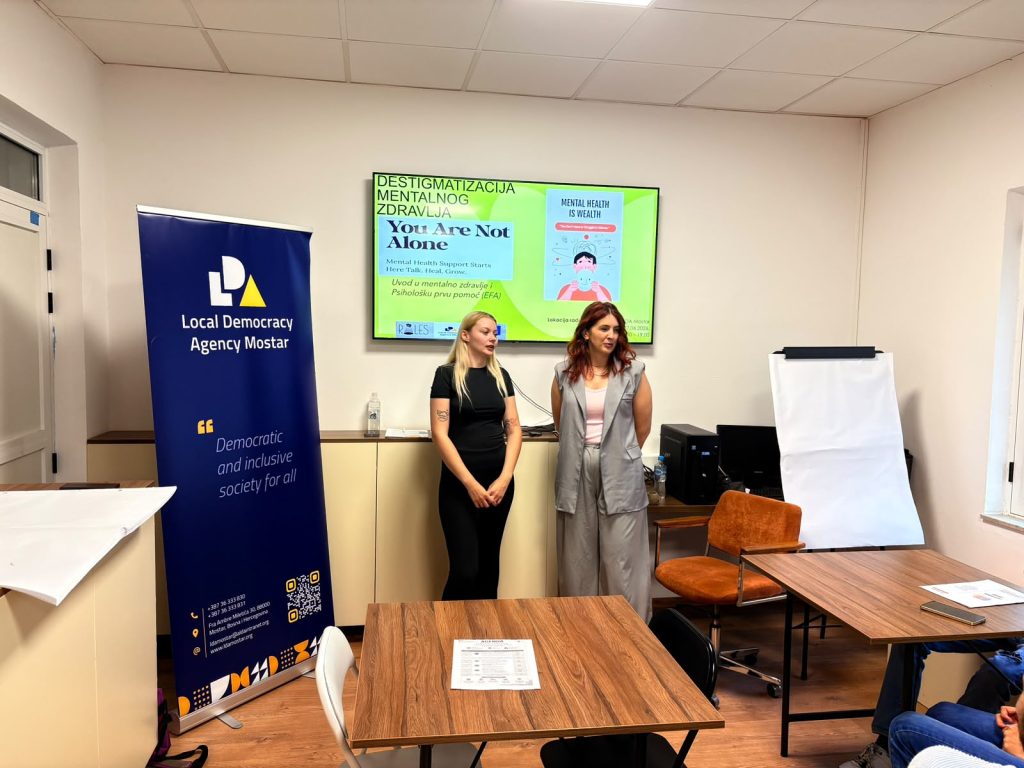
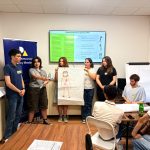
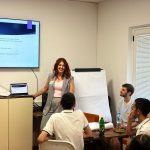
It is for this very reason that LDA Mostar, within the framework of the ROLES project, organized a local workshop for youth focused on raising awareness and de-stigmatizing mental health. This activity was preceded by an intensive training of trainers held in Lublin (Poland), where participants from Bosnia and Herzegovina acquired modern tools and methodologies necessary for direct youth work and mental health de-stigmatization in local communities. Building upon the knowledge gained, the workshop in Mostar was professionally and successfully led by Anita Miljko from the Center for Social Work of the City of Mostar and Ivana Veselinović, a volunteer at the “Nova žena” Association.
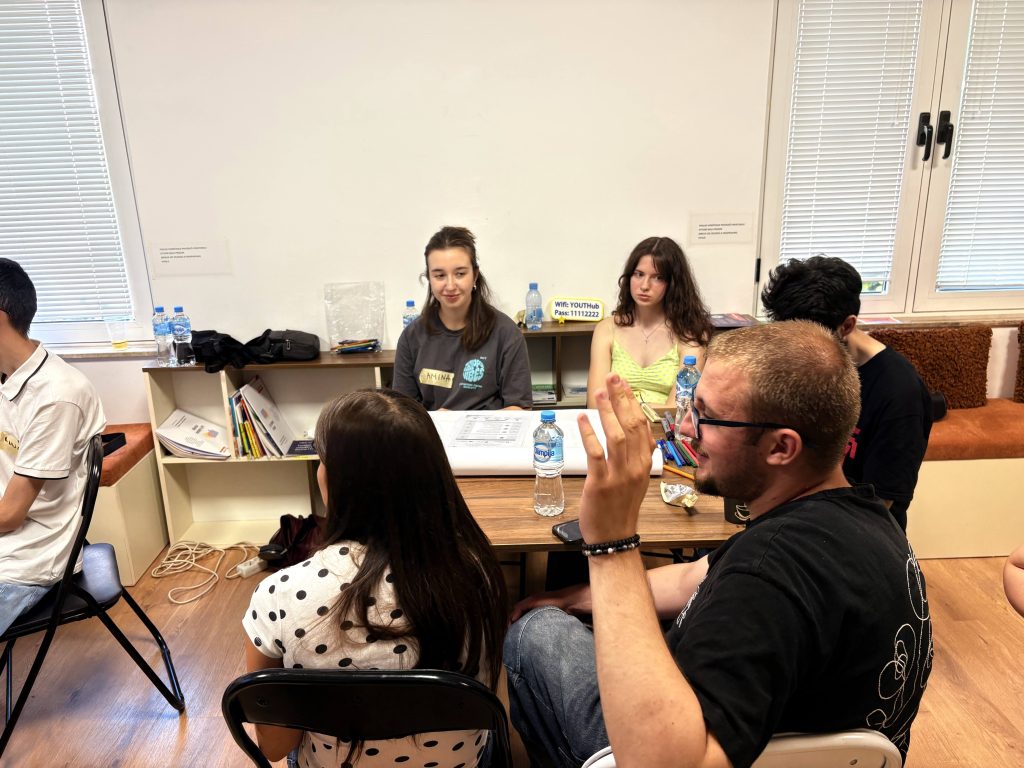
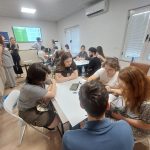
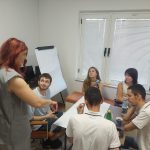
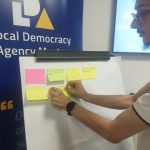
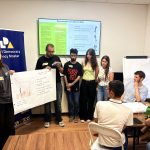
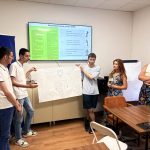
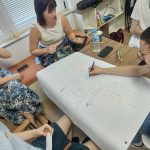
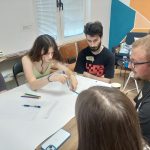
Throughout the program, using interactive presentations and creative workshops, the participants demonstrated how they perceive and express emotions, and how they would react in emotional crisis situations, all based on everyday real-life examples. Through these activities, young people explored the importance of active listening, emotional awareness, and respectful dialogue. The workshop encouraged them to reflect on their own communication patterns and become more aware of how their words and reactions affect others, which forms the foundation for building healthier relationships and a more positive dynamic in their environment.
“This workshop explored the topic of mental health in a creative, authentic, and engaging way. I especially enjoyed the group work, exchanging perspectives, and reflecting on concrete situations from everyday life. Still, beyond all the activities, the most beautiful part was meeting such inspiring and wonderful young people.” – Azra Zahirović, participant
At the same time, the workshop served as a perfect platform for learning about concrete steps to take through the basics of Emotional First Aid (EFA) – specifically, how to react when we notice that someone is under stress or going through a difficult period. We discussed and learned about empathy, defined its boundaries, and paid special attention to different forms of peer violence and discrimination, which proved to be highly relatable and engaging topics for young people.
“At the workshop, I learned many new things needed for life and daily communication: how to properly articulate my thoughts, the difference between passive, aggressive, and assertive speech, and how to help someone in difficult or urgent emotional states. I believe these topics are essential for everyday life and coexisting with others, and I am grateful for the opportunity to attend such a workshop.” – Adna Tunović, participant
In a time when young people face constant pressure, exam weeks, and overloaded schedules on a daily basis, this workshop provided them with a safe space for a breather—a place where they could drop the burden of everyday responsibilities and talk openly about the things we all go through, but rarely speak about out loud.
We do not ask ourselves whether mental health is important – we know it is. We actively work to raise awareness about the importance of mental health in daily life because we are fully aware of the speed and challenges of the times we live in.
 Projekat je sufinansiran od strane Evropske unije. Izneseni stavovi i mišljenja su isključivo stavovi autora i ne odražavaju nužno stavove Evropske unije ili Evropske izvršne agencije za obrazovanje i kulturu (EACEA). Ni Evropska unija ni EACEA ne mogu se smatrati odgovornima za njih.