


From 9 to 13 February 2026, partners of the Sublime SDGs project gathered in Bosnia and Herzegovina for a dynamic field study visit focused on Sustainable Development Goal 5 – Gender Equality.
Designed and coordinated by LDA Mostar, the programme brought participants to Mostar, Široki Brijeg and Jablanica, offering an in-depth look at how local actors are advancing gender-transformative policies in practice.
A Programme Designed by LDA Mostar
As a recognized civil society organization and resource center for local democracy, LDA Mostar curated the entire three-day experiential programme – combining substance, structure and seamless coordination.
LDA Mostar was not only a host, but a facilitator of democratic dialogue.
Its role encompassed content leadership by shaping the thematic framework around SDG 5, logistical coordination ensuring smooth cross-city engagement, stakeholder mobilization connecting local authorities and women-led civil society organizations, and knowledge facilitation by creating reflective spaces for mutual learning.
Through this visit, LDA Mostar once again demonstrated its expertise in gender equality and social inclusion, participatory governance, multi-stakeholder collaboration and community engagement across both institutional and grassroots levels.
Focus: SDG 5 – From Global Commitments to Local Practice
The visit centered on advancing the core objectives of SDG 5, including eliminating violence and discrimination and ensuring equal participation in political, economic and public life.
Participants explored how these global commitments translate into local action. Discussions focused on how municipalities and civil society can collaborate effectively to move from policy frameworks to tangible, lived change within communities.
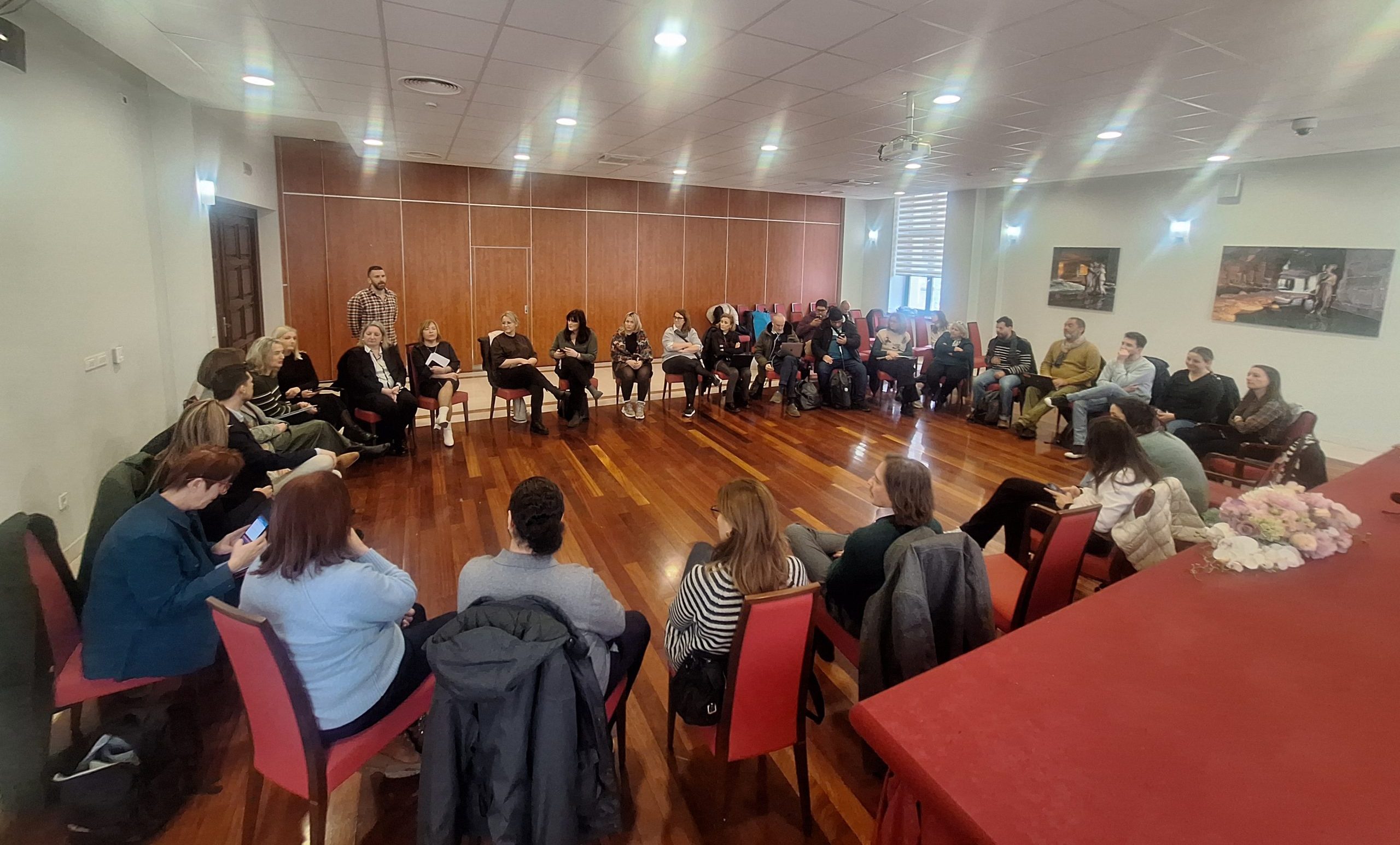
Mostar: Gender Equality in a Complex Context
In Mostar, discussions focused on local gender action planning, institutional mechanisms for equality, civil society advocacy and youth and women’s participation in decision-making processes.
One of the key points of the discussion was the city’s Gender Action Plan 2024-2027 and its main priorities: strengthening institutional mechanisms, ensuring the collection and use of gender-disaggregated data, and integrating gender perspectives into budgeting and policy processes.
Participants engaged directly with local actors working to improve women’s access to employment, address gender-based violence and promote inclusive decision-making.

Široki Brijeg: Women’s Economic Participation
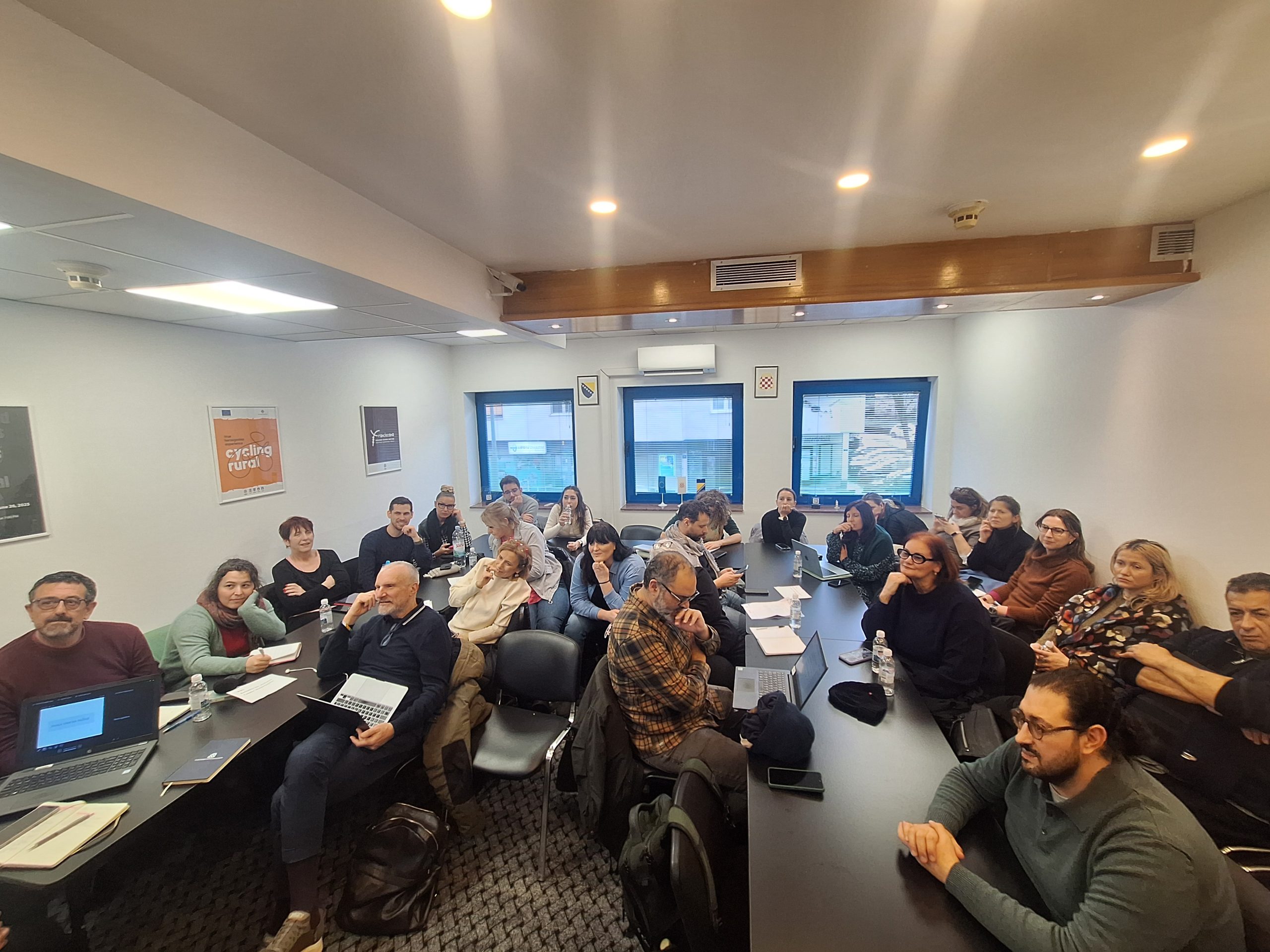
In Široki Brijeg, the spotlight was placed on women’s entrepreneurship, local employment strategies and cross-sector partnerships.
Participants examined how local employment plans and economic development strategies can either reinforce or reduce structural gender inequalities – particularly in sectors traditionally dominated by men. The discussions emphasized the importance of designing economic policies that respond to the specific needs and realities of women in the labour market.



Jablanica: Community Resilience and Women-Led Initiatives
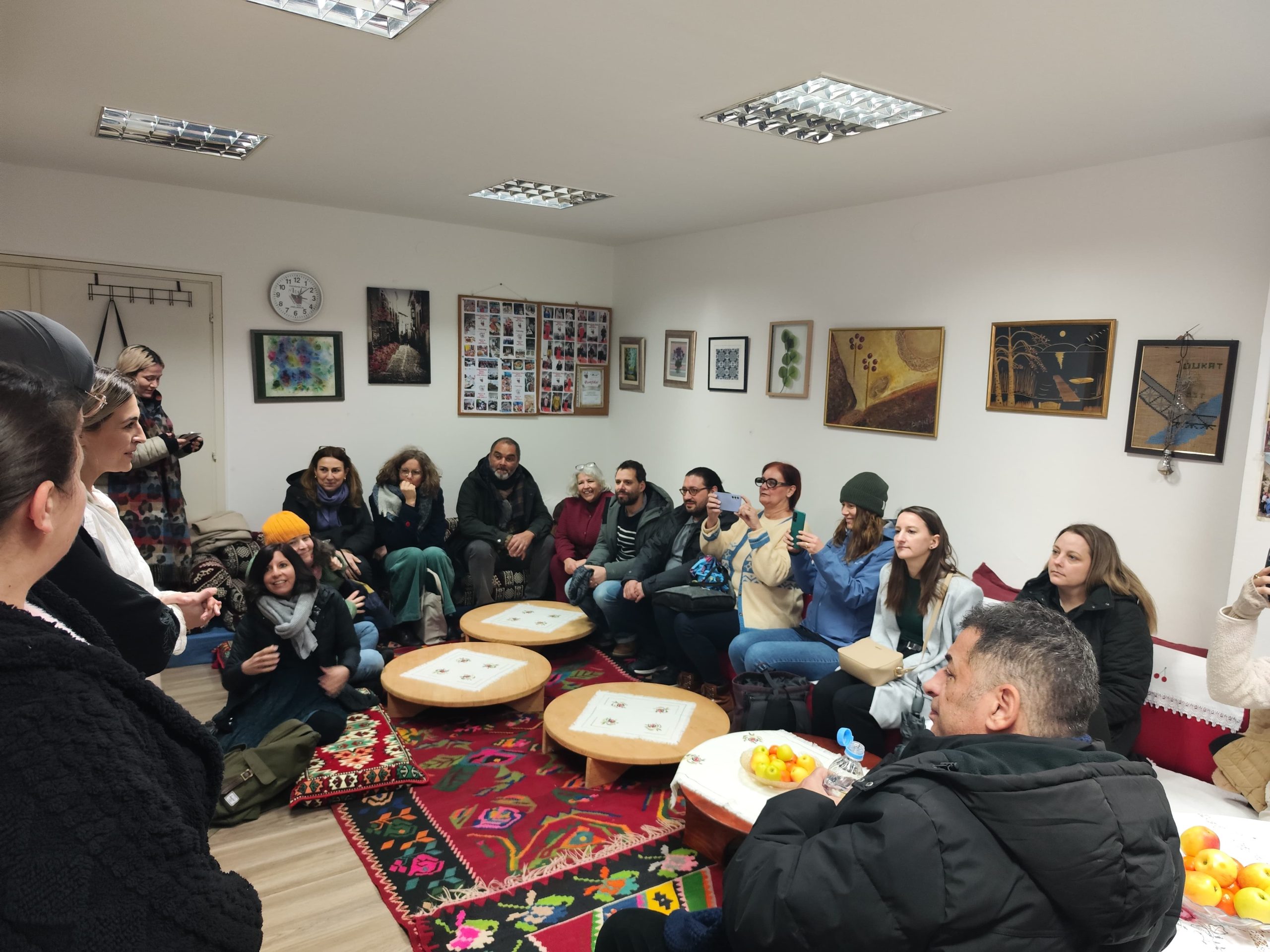
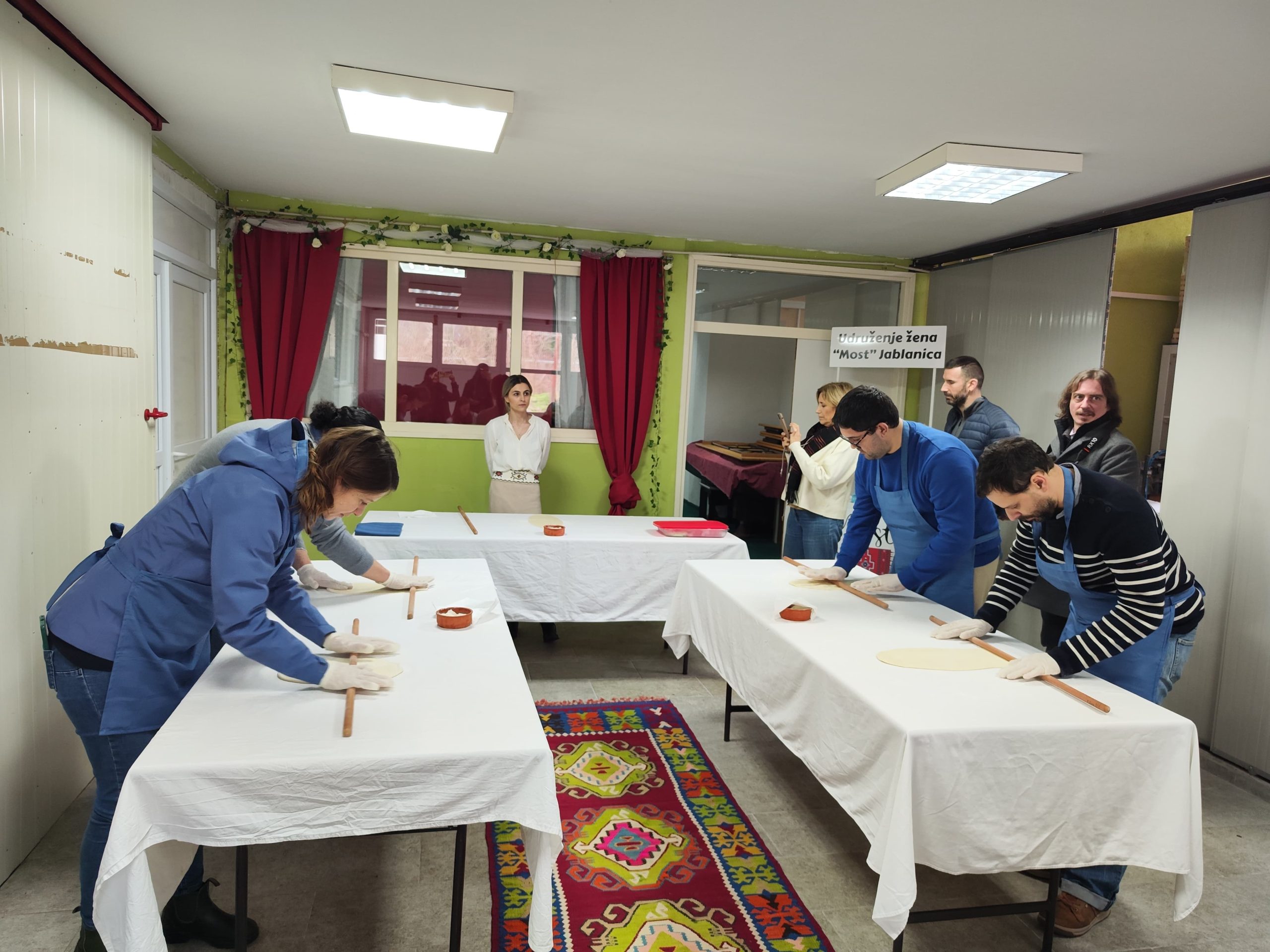
In Jablanica, the programme highlighted grassroots women-led initiatives, rural women’s empowerment and sustainability through local solidarity networks.
Field visits demonstrated how women’s associations are not only advancing equality but also strengthening local economies and social cohesion. These initiatives showed how community-driven approaches can contribute to broader sustainable development goals.

An Experiential and Participatory Methodology
The study visit was intentionally structured around participatory discussions, site visits, workshops, cross-sector dialogue and reflective sessions.
This approach ensured that learning remained grounded in lived realities rather than abstract policy debates. Participants did not simply observe – they engaged, questioned and reflected.
As shared in participants’ reflections, the visit offered Mostar and Herzegovina “through women’s eyes” – a perspective that reshapes how democracy, inclusion and sustainable development are understood in practice.
Why This Visit Matters
This was not merely a study trip. It served as a structured platform for exchange between local authorities, women-led civil society organizations, economic actors, community representatives and international partners.
The visit strengthened mutual learning, cross-sector collaboration and practical understanding of gender-transformative governance. It also reaffirmed LDA Mostar’s role as a bridge between policy and practice, a connector of stakeholders and a catalyst for inclusive local democracy.
Moving Forward
Integrating gender equality into local governance, economic development and community engagement is essential not only for achieving SDG 5, but for advancing the broader 2030 Agenda.
LDA Mostar remains committed to providing knowledge and tools, facilitating dialogue, supporting evidence-based policymaking and strengthening inclusive local governance.
Because sustainable development is not only about growth. It is about equality. It is about participation. It is about people.


