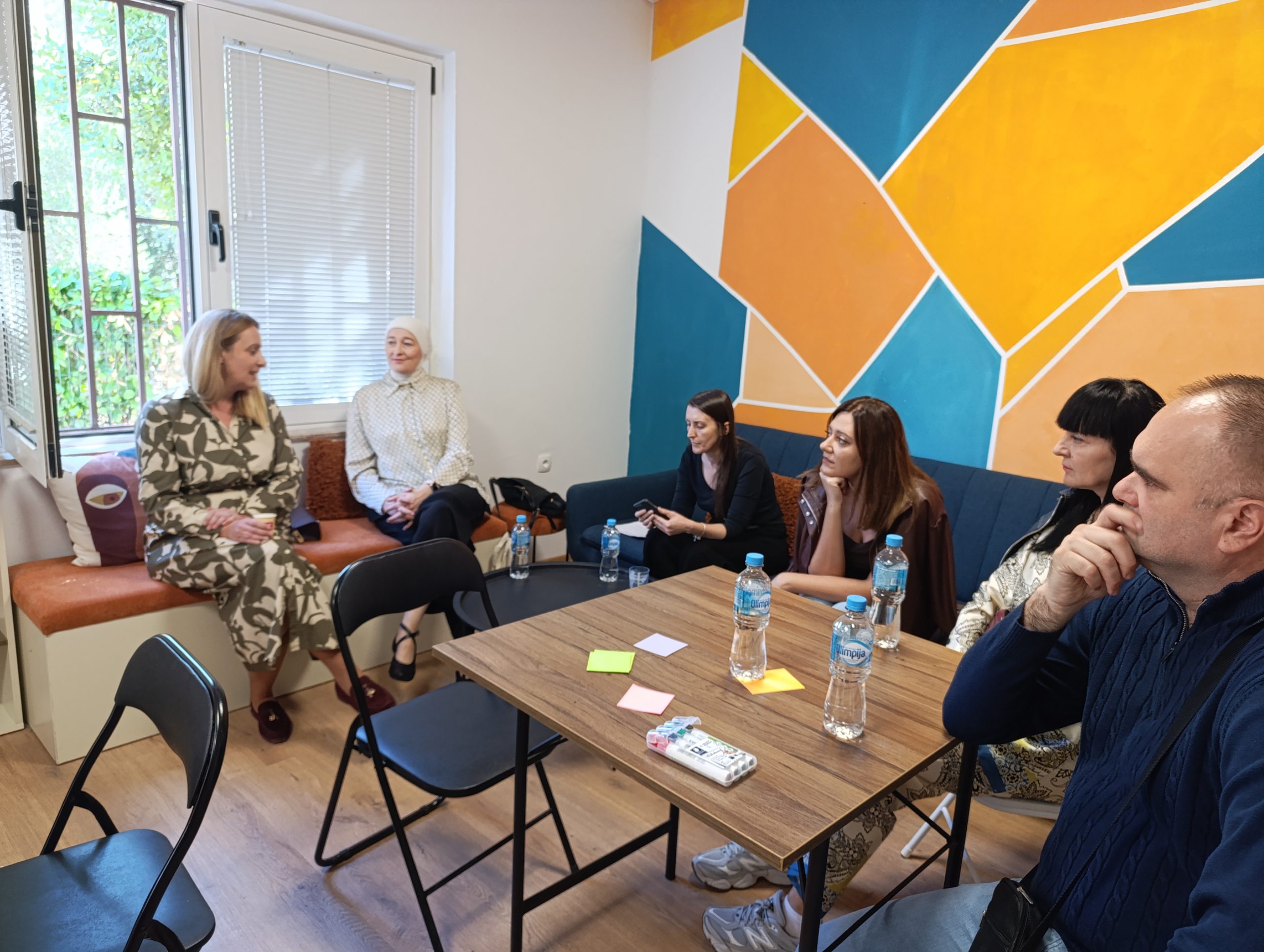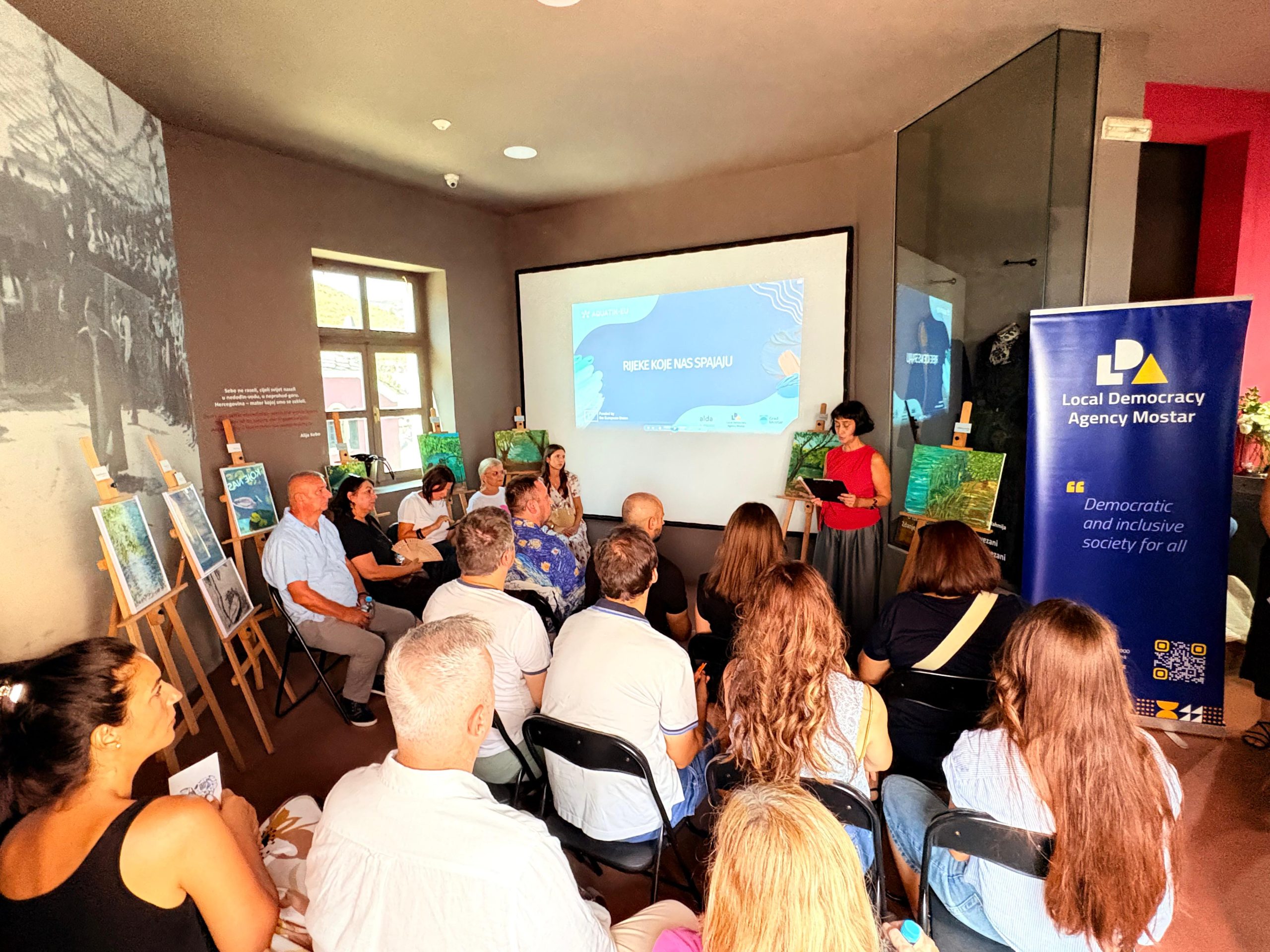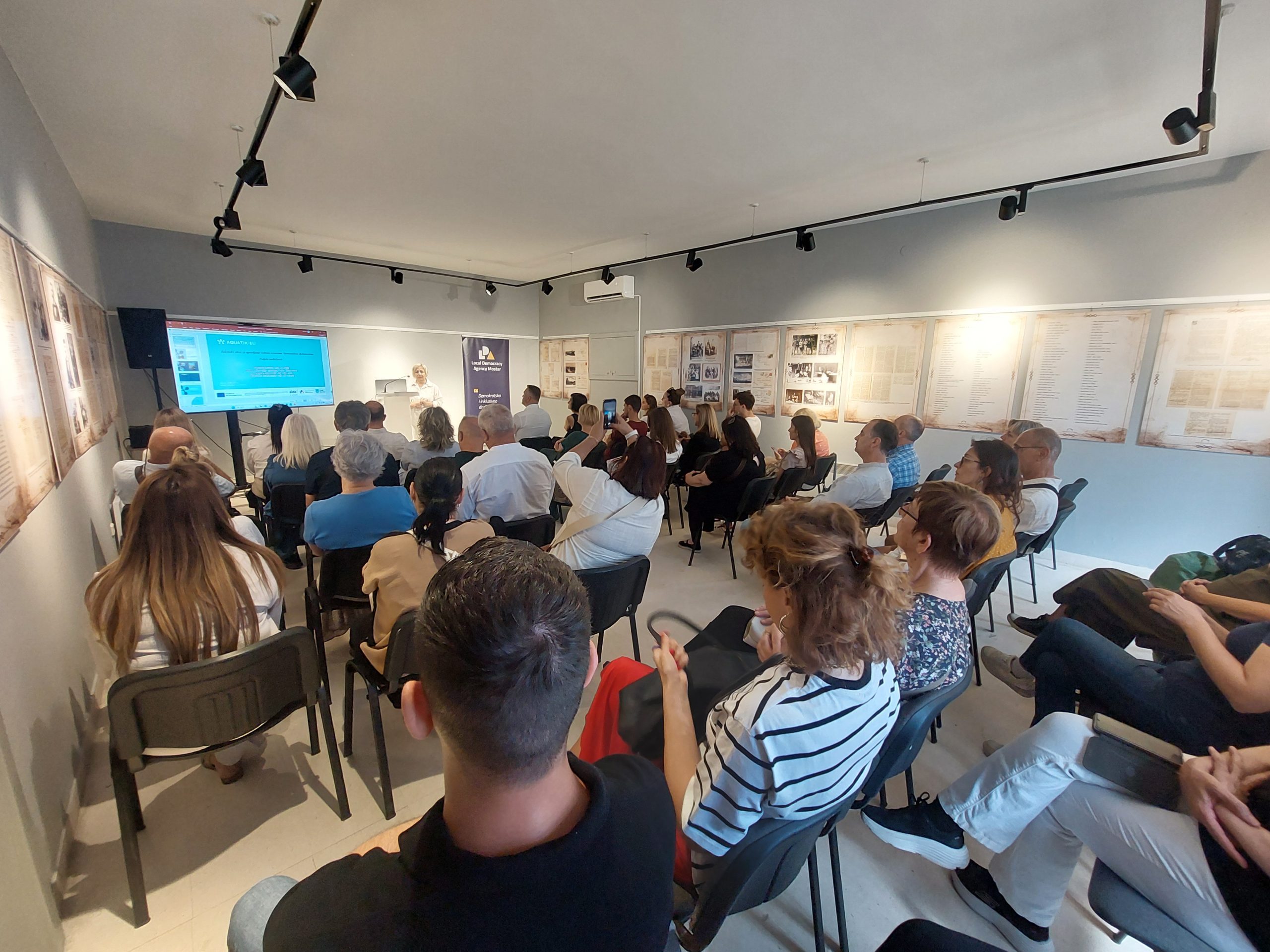
With the aim of enhancing dialogue between citizens and institutions and strengthening the role of the local community in decision-making processes, a roundtable titled “Water Governance in Mostar: Competences, Responsibilities, and the Role of Citizens” was held today in Mostar at the Svetozar Ćorović Memorial House. The event was organized within the framework of the international project “AQUATIK – EU: Valorisation of Europe’s Water Heritage,” jointly implemented by the Local Democracy Agency (LDA) Mostar and the City of Mostar.
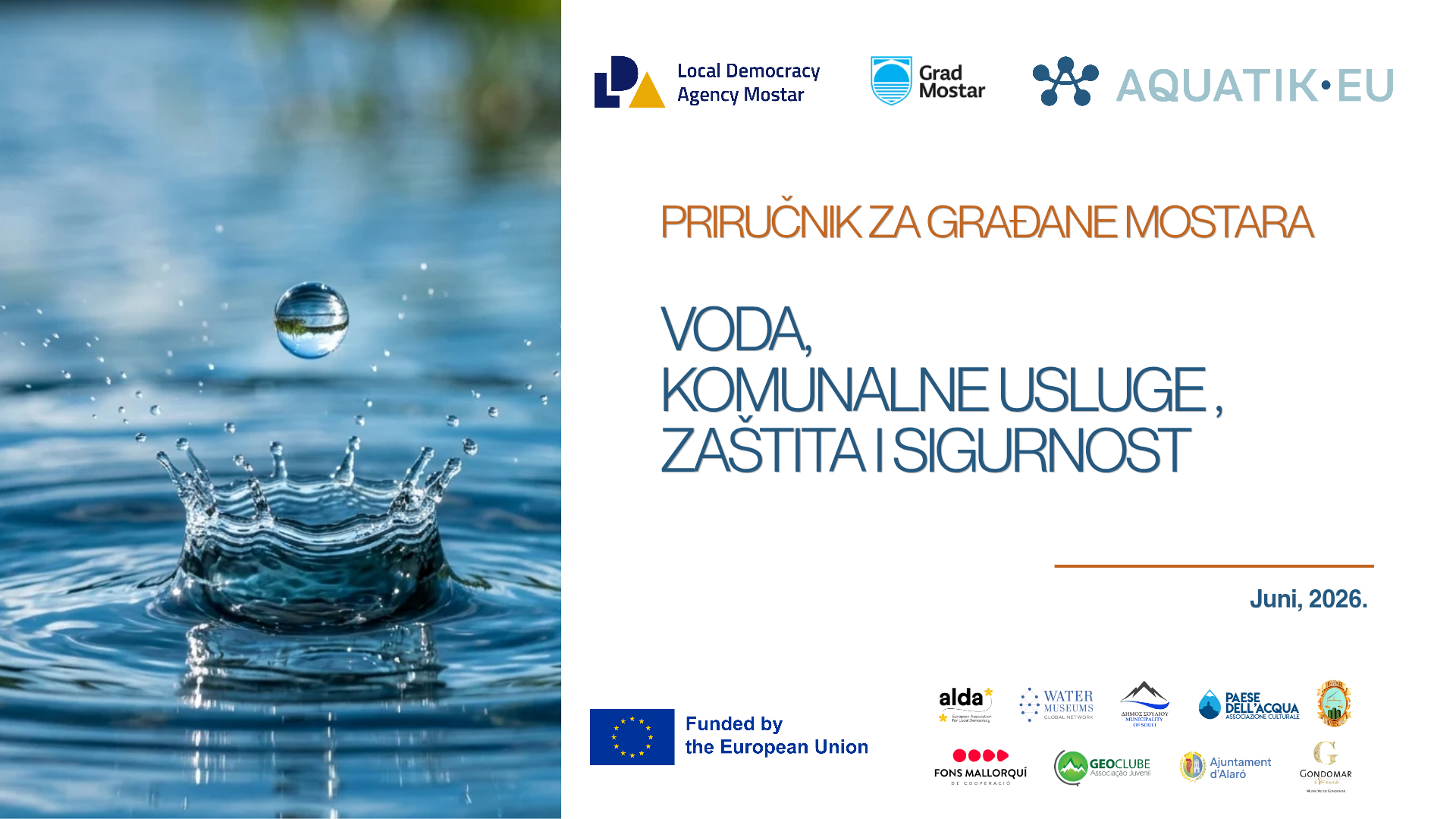
As a direct answer to the event's core focus question—“How can citizens address water resource governance issues?”—the citizens’ guide titled “Summary of Competences in the Areas of Water Resource Management, Communal Services, and the Protection of People and Material Goods from Disasters” was officially presented. This document is designed as a clear and practical guide through the system and structure of institutional competences.
During the introductory remarks and program presentation, Dženana Dedić, Director of the Local Democracy Agency (LDA) Mostar, emphasized the unbreakable bond between natural resources and local identity:
“Water represents our most vital resource, both for daily life and for tourism development and heritage preservation. Our water and our cultural-historical heritage share a common past, but also a common future that we must defend and protect. However, sustainable water governance and the preservation of water heritage are not, and must not be, the sole responsibility of institutions. We want to break down barriers, and through this roundtable, offer the citizens of Mostar concrete information, legal tools, and clear mechanisms on how to identify jurisdictions. More importantly, we want to help them move from recognizing a problem to taking actual action, launching initiatives, and becoming equal partners in the decision-making process.”
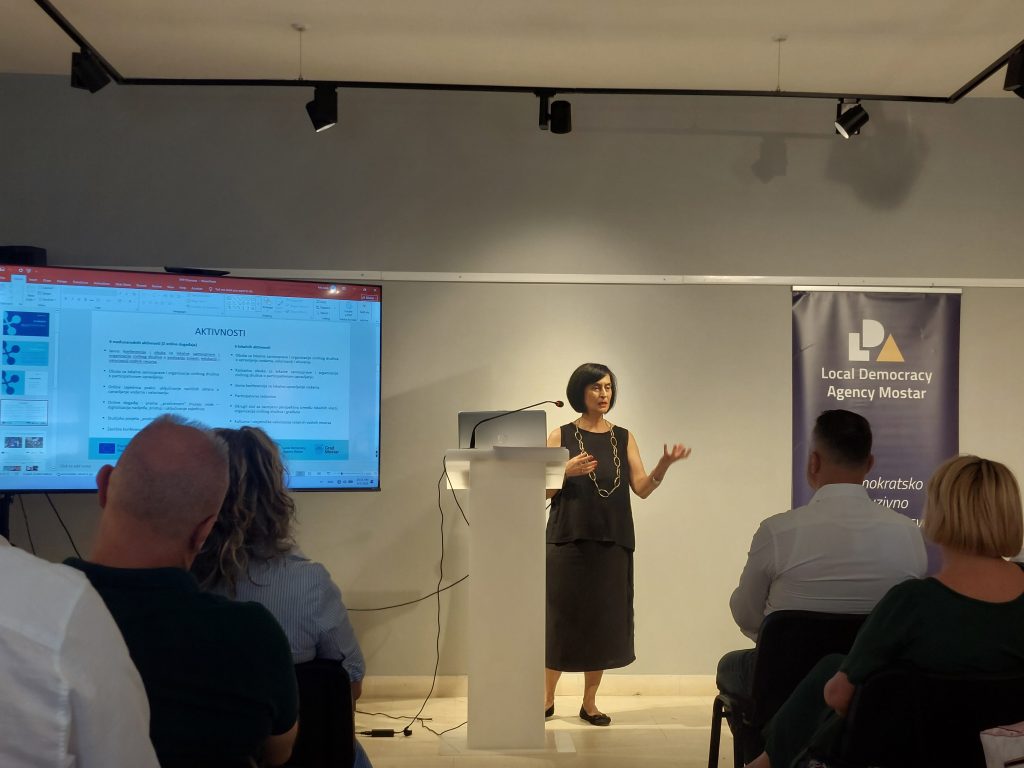
During the working segment of the program, expert presentations on the legal framework and institutional competences were delivered by representatives of the City of Mostar: Sanela Demirović, Expert Advisor for International Relations, and Arnel Voljevica, Head of the Civil Protection and Firefighting Service.
In his presentation, Voljevica particularly emphasized that effective management of water resources and the communal utilities system forms the foundation of the community's regular functioning, whereas the protection and rescue system, including civil protection, is activated in situations that exceed the capacities of regular public services.
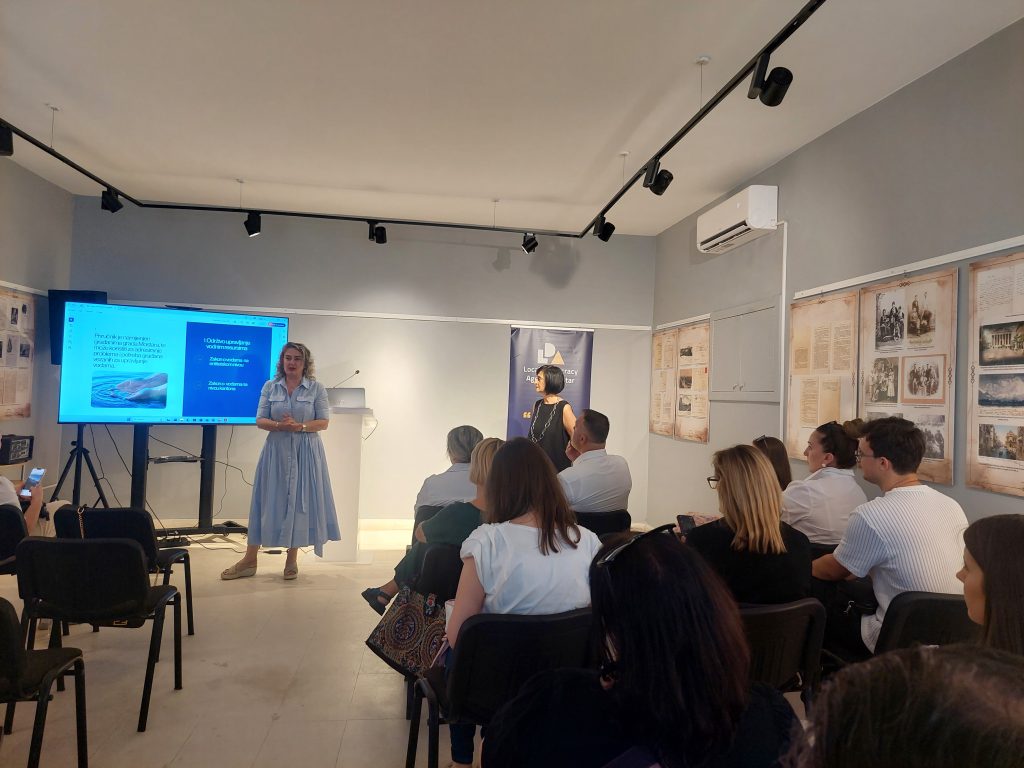
The expert presentations were followed by a productive discussion moderated by Sabina Memić, Senior Independent Associate for Relations with NGOs and Religious Communities for the City of Mostar. Notably, the roundtable discussion served as a valuable consultation process. The constructive proposals, comments, and notes from the participants will be used to further enrich and update the handbook prior to its final publication and distribution to the wider public. Following these updates and refinements, the online citizens’ handbook will be made available to the public on the official websites of both the Local Democracy Agency Mostar and the City of Mostar.
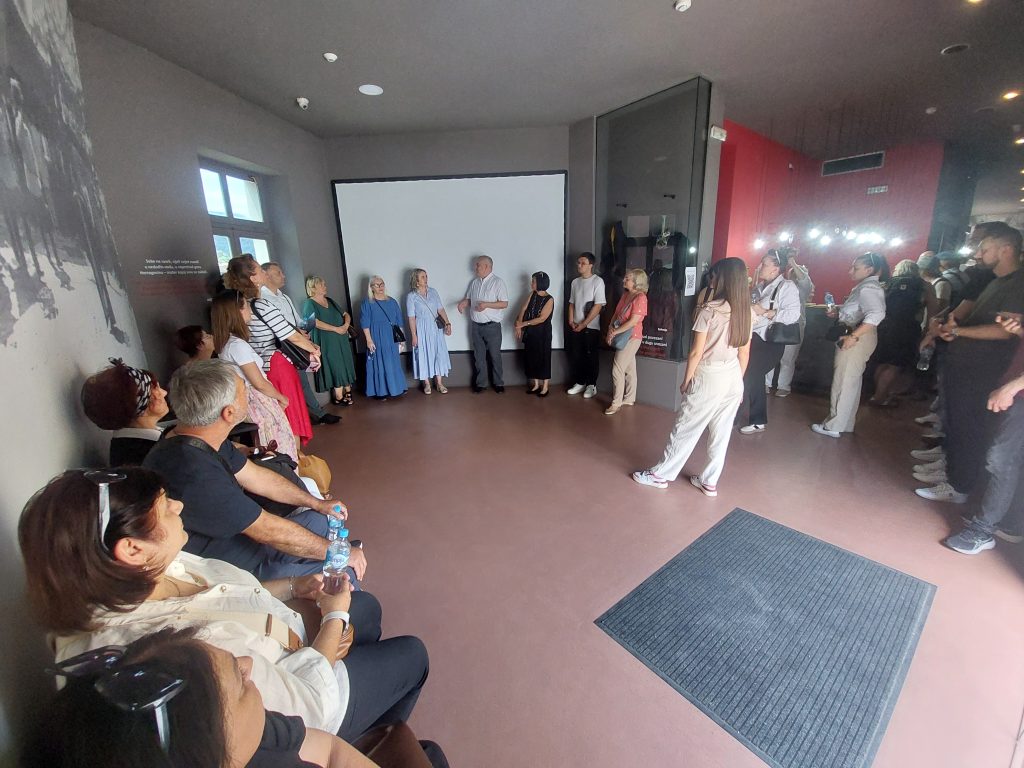
Following the expert discussion, the event innovatively linked ecology and culture through a field walk and a visit to the departments of the Museum of Herzegovina. Participants visited the Tara Tower, the Labyrinth, the Džemal Bijedić Memorial House, and the innovative MuM Interpretation Centre. This visit practically demonstrated how natural and cultural heritage must be valorized together, reviving the authentic concept of joint preservation of the values that bind us most strongly.
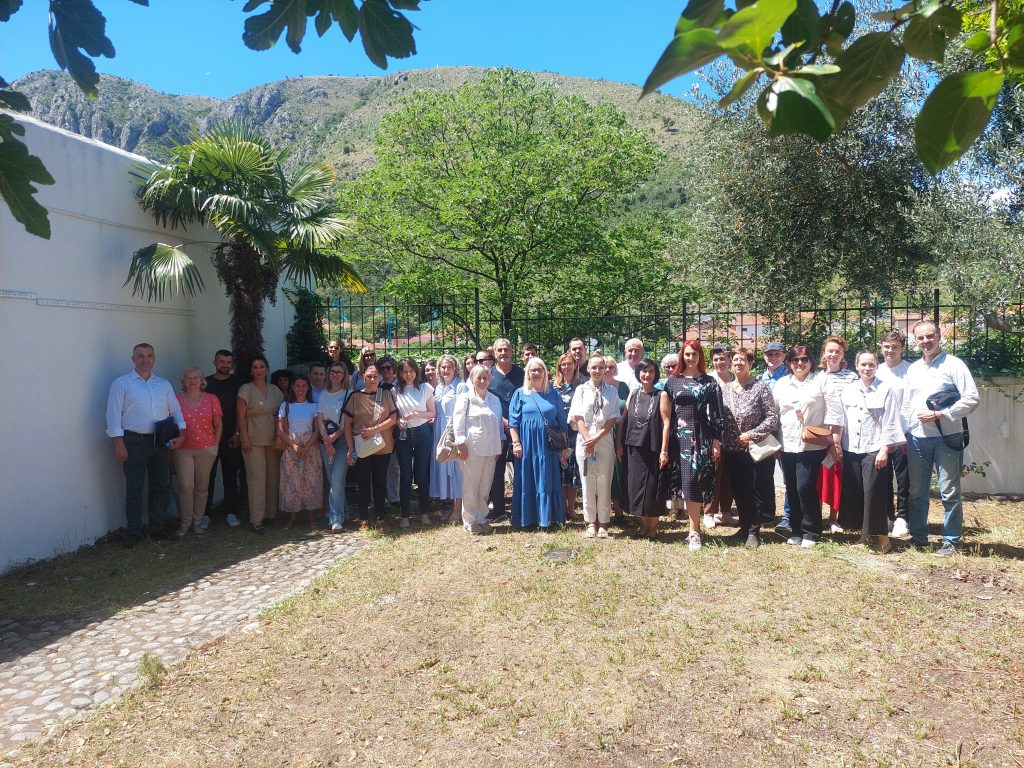
The roundtable was organized within the framework of the Aquatik-EU project, which aims to strengthen the role of local communities in identifying, protecting, and valorizing water heritage, as well as developing innovative approaches that connect cultural heritage, sustainable development, and active citizenship. The project brings together 11 partners from six countries across the European Union and the Western Balkans, led by the European Association for Local Democracy (ALDA). LDA Mostar and the City of Mostar are the project partners representing Bosnia and Herzegovina.