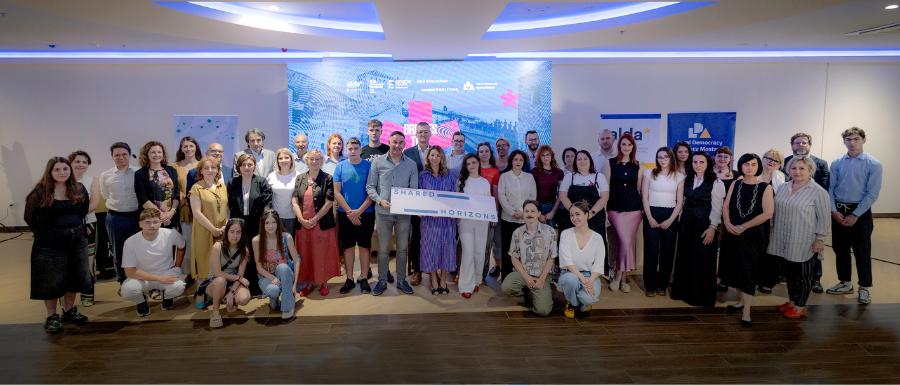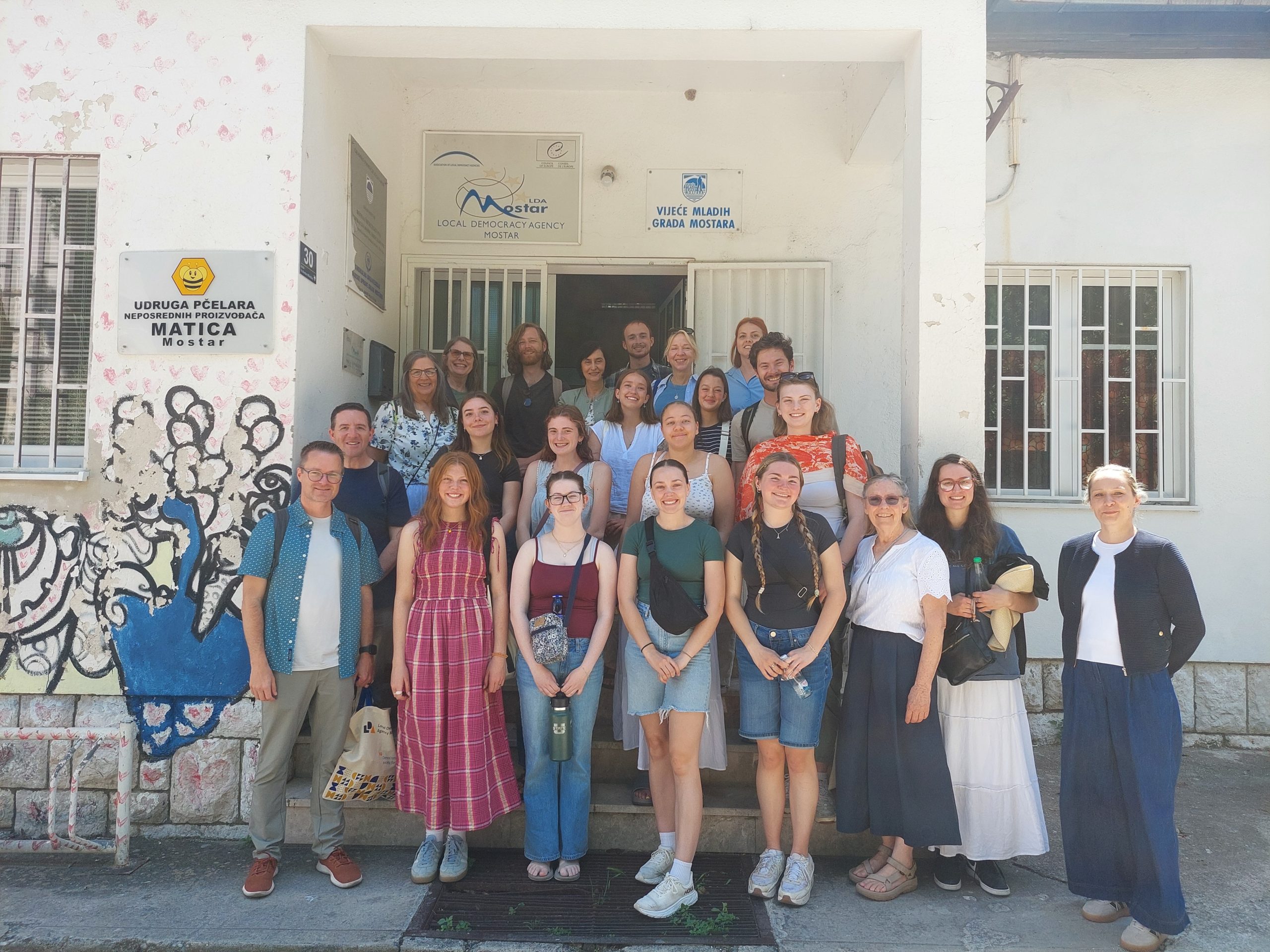
For the second consecutive year, the Local Democracy Agency Mostar hosted students and their mentors from Utah State University, specifically from their Institute of Government and Politics. This study visit was designed to take the terminology of peacebuilding and reconciliation out of textbook theory and present it through real-life examples. According to the professors leading the group, last year's visit to our HUB was one of the most memorable moments of the program—offering students deep insights into reconciliation efforts and the realities of a post-conflict society. Consequently, there was no doubt as to which civil society organization they would visit this time around.
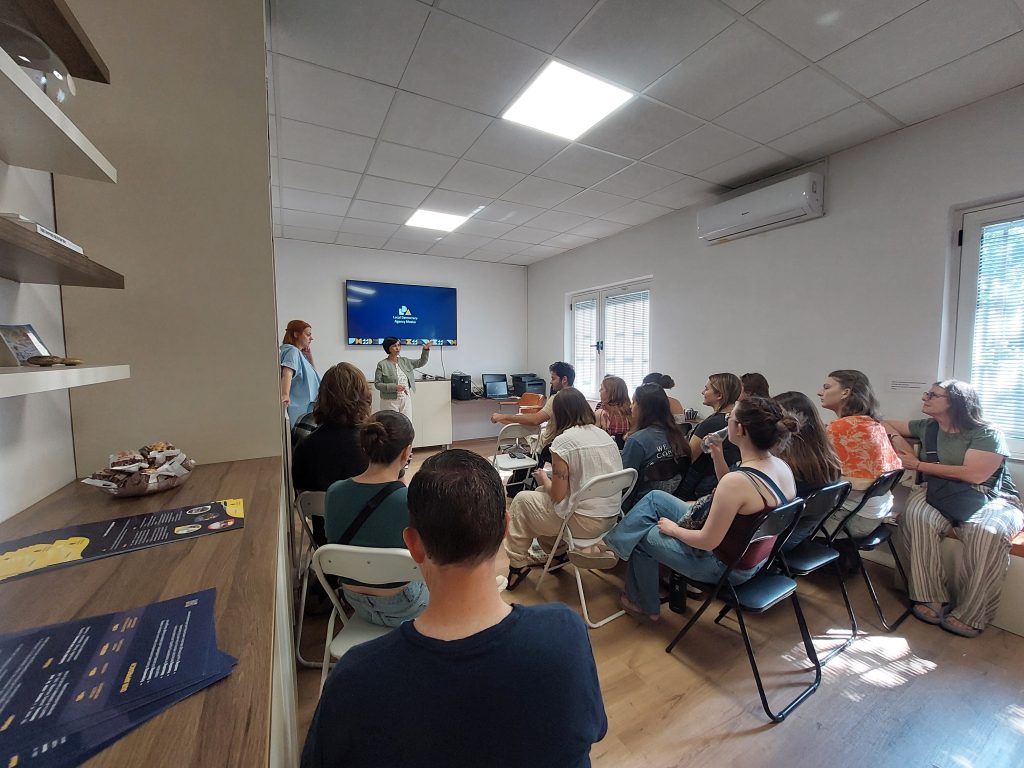
Where Past, Present, and Future Meet
Since the study visit was designed to provide students with knowledge on post-conflict dynamics, LDA Mostar created a safe space for asking “tough questions” about the history of Mostar from the war period to the present day, touching upon social, political, economic, and psychological aspects. Through an interactive discussion, students were given the opportunity to analyze the situation in Mostar in the context of reconciliation and socio-economic conditions, and to understand how the post-Dayton institutional structure and governance shape daily life.
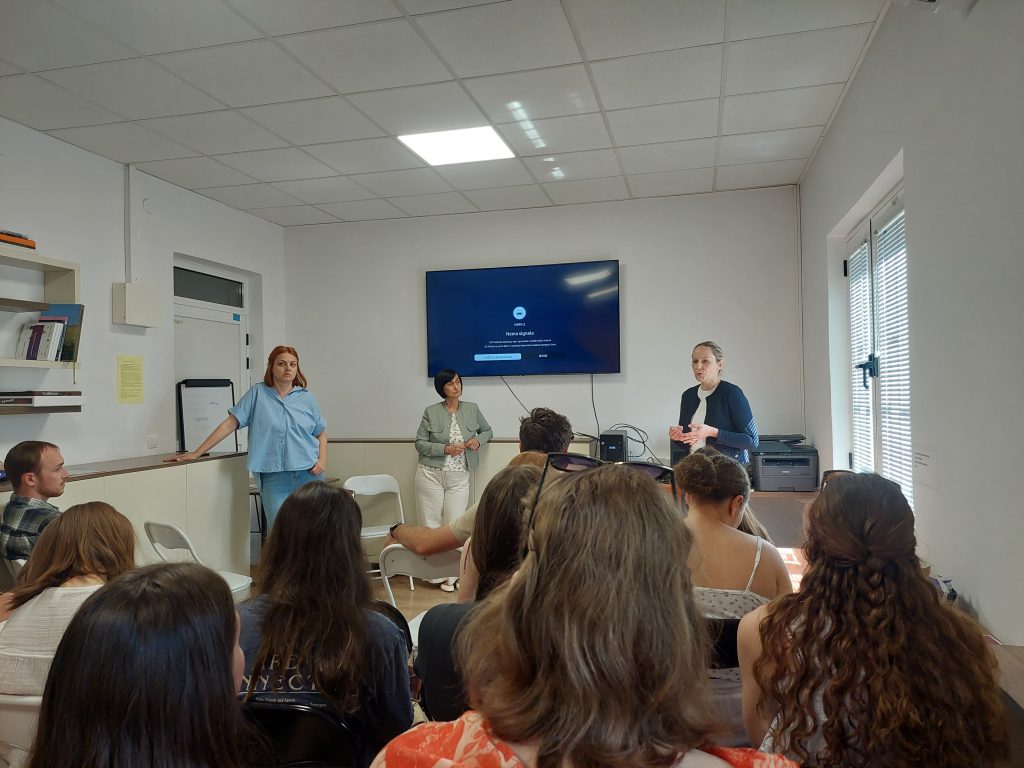
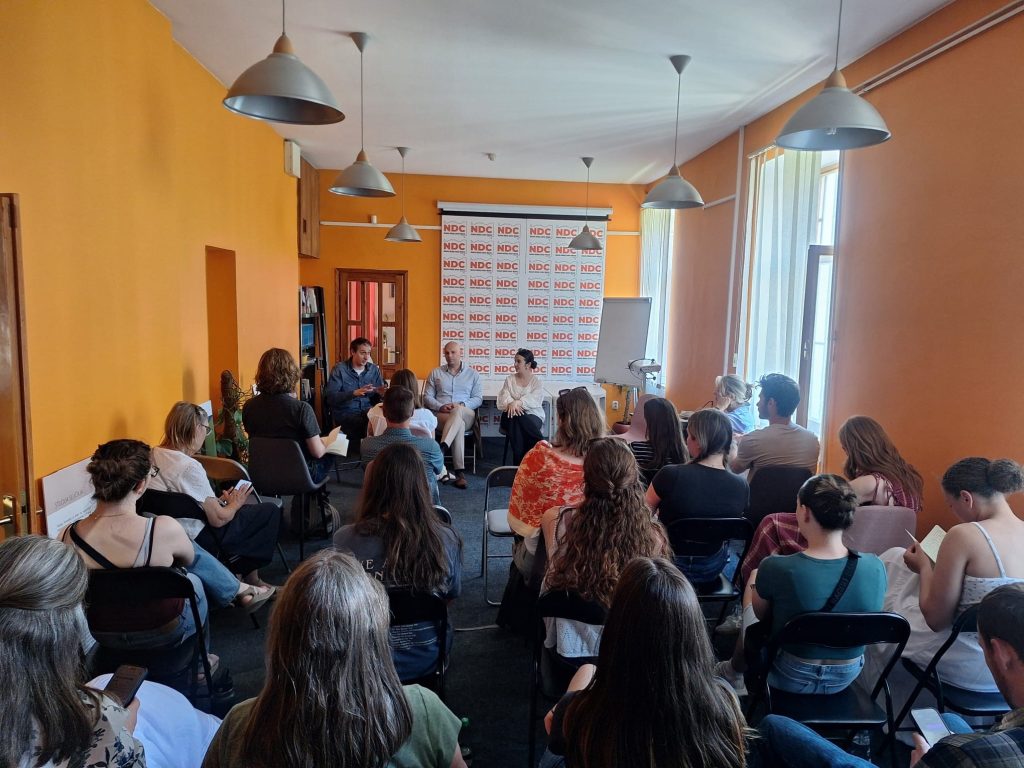
The students also had the opportunity to explore challenges in education, specifically examining the “two schools under one roof” phenomenon through conversations with Vernes Voloder from the Nansen Dialogue Centre Mostar, Haris Idriz from the United World College (UWC) Mostar, and Arduana Macić, a representative of the Association of High School Students in BiH. The discussion focused on what this educational model means in practice and how various divisions and conflicting narratives of history impact youth identity and long-term reconciliation. The session was structured to shed light on this topic from multiple perspectives—ranging from institutional challenges to the direct experiences of young people navigating a divided system daily. This multi-layered approach helped the students gain a comprehensive understanding of how education shapes identities and influences long-term community stability.
With the idea of using the city itself as a living classroom, the students had the opportunity to experience Mostar through its wartime and post-war reality, combining historical context, personal stories, authentic locations, and firsthand testimonies. The walking tour included the wartime frontline, providing insight into how the conflict shaped the urban space and the daily life of the city.
The contrasts between reconstructed and unreconstructed spaces, the visible scars of war on buildings, and the symbolic significance of the Old Bridge opened up a profound dialogue about the legacy of conflict, reconstruction, and social change in post-Dayton Mostar.
Collaborations like this reaffirm the role of LDA Mostar as a relevant space for encounter, dialogue, and the exchange of experiences on peace, democracy, and social cohesion—locally rooted, yet internationally recognized.