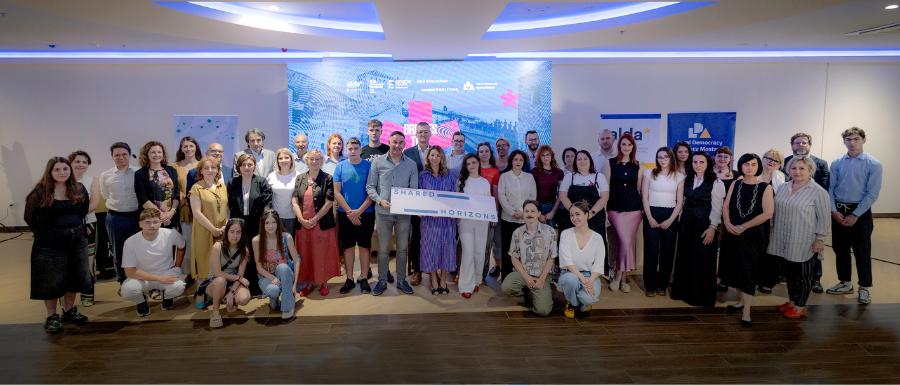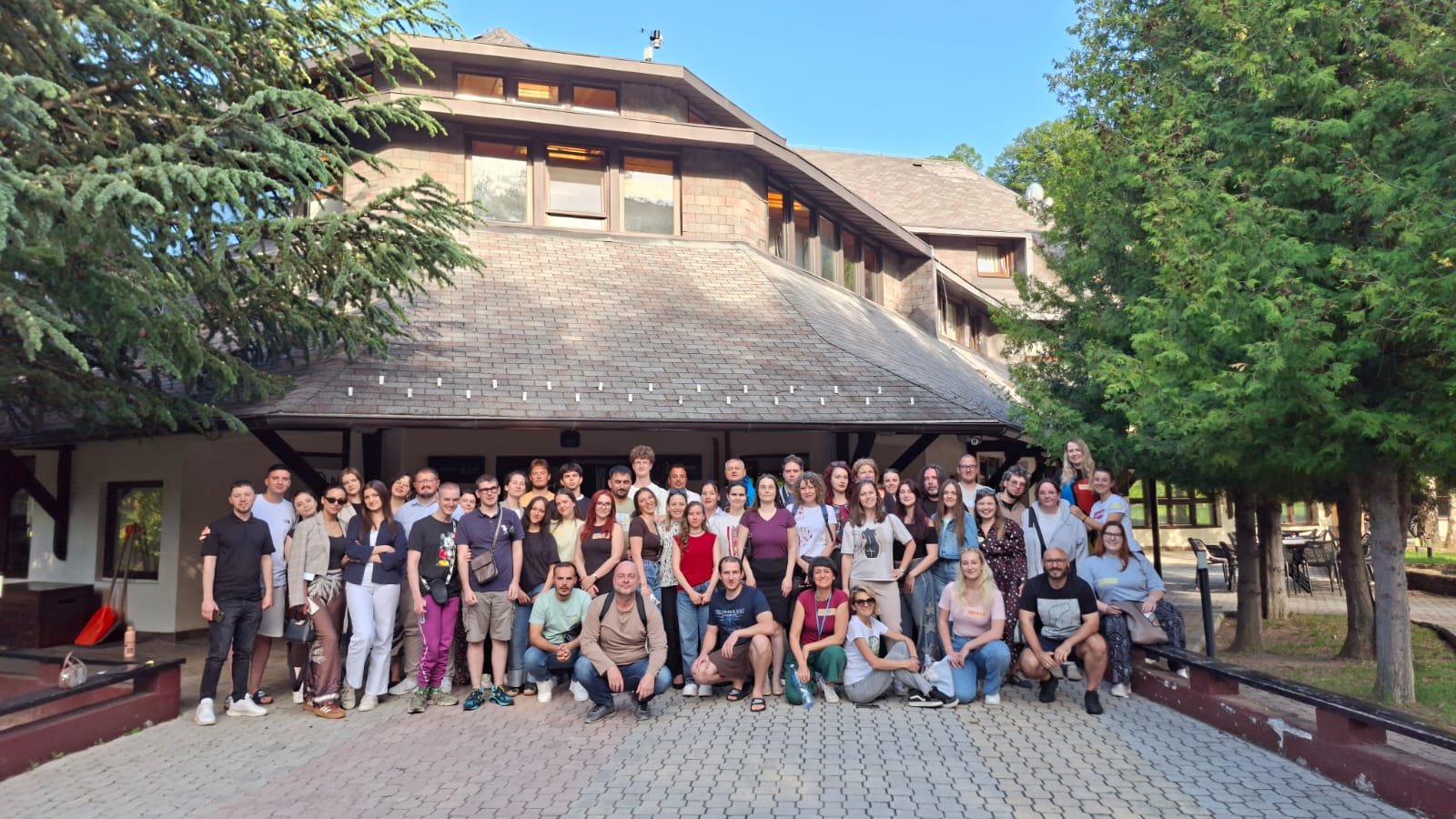
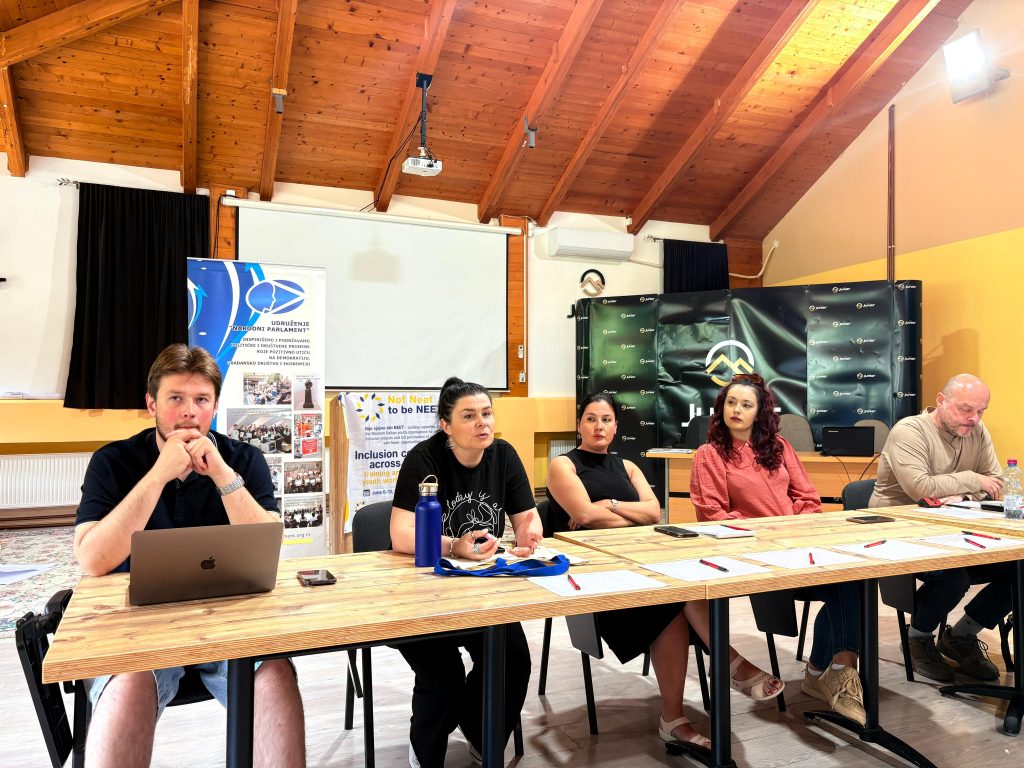
In the public discourse of the Western Balkans, youth work is often viewed through the prism of administration, project applications, and dry statistics. However, the true potential of regional cooperation is rarely captured by numbers alone. Instead, it is measured by human milestones—moments when personal stories and collaborative efforts on social challenges transcend historical traumas and deeply rooted prejudices. The recently held international training course, “Inclusion Coordinators Without Borders – Training and Networking for Youth Workers and Educators,” hosted on Mt. Kopaonik, marked the crowning achievement of the regional project „Not Neat to be NEET”. upported through the European Union's Erasmus+ program, this initiative has spent months building robust cross-border connections, actively linking youth workers and organizations from Bosnia and Herzegovina, Serbia, Montenegro, Albania, and Kosovo.
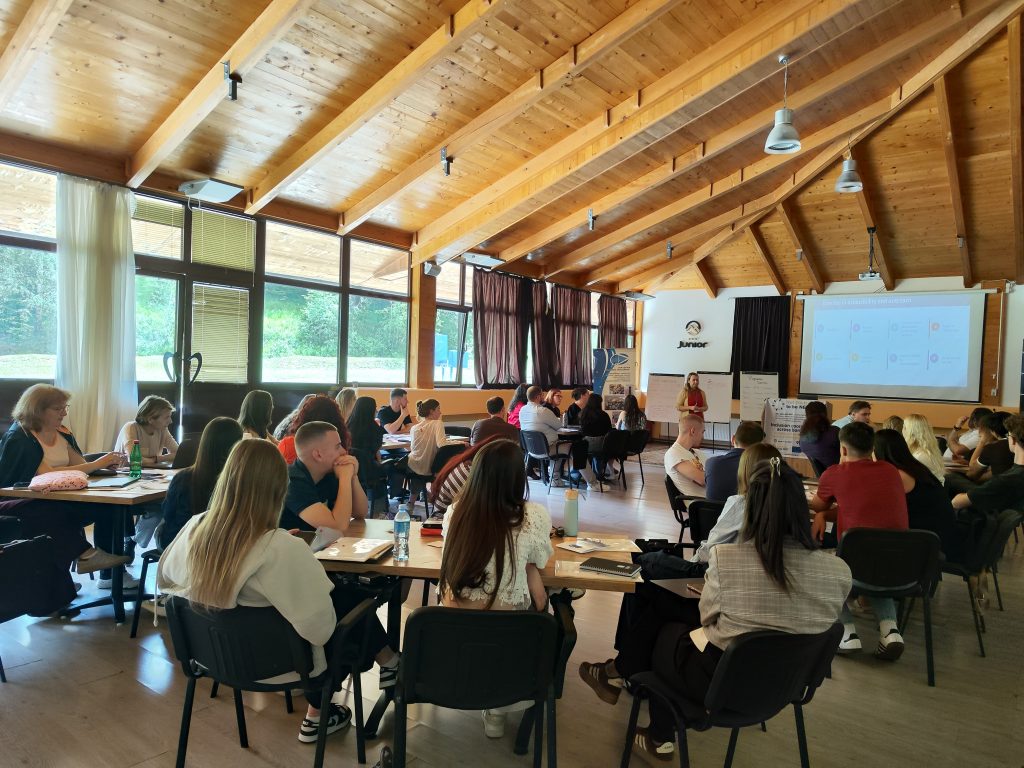
While previous project activities focused on mapping local conditions, analyzing the NEET population (youth Not in Education, Employment, or Training) as an untapped societal resource, capacity-building for 100 youth inclusion coordinators, and implementing job shadowing to facilitate practical local learning, the training on Kopaonik had a clear, operational goal: moving from theory to practical tools and officially establishing a regional network that will transform the youth sector in the long run. During the seven-day intensive program, youth workers from across the region actively engaged in workshops, simulations, and teamwork centered around the core pillars of inclusion:
-
Social inclusion of youth and empowerment of the NEET population;
-
Designing inclusive projects and managing financial support budgets;
-
Exchanging best practices and conducting fieldwork aimed at reducing social barriers;
-
Strengthening regional and cross-border cooperation.
Nevertheless, it is worth noting that one of the most vital lessons from this training course did not come from manuals or financial spreadsheets for inclusive support. It emerged through spontaneous yet transformative storytelling within the working groups.
A Story of Youth Learning Trust and a Collaborative Effort That Shifts Perspectives
The Western Balkans is a region where young people, whether they want to or not, carry the trauma of their parents in their baggage—a burden fueled by a history of expressive intolerance and regional instabilities. One such testimony, shared in strict confidence and mutual trust within one of the working groups, laid bare the sheer complexity of our collective work.
At the very beginning, a participant displayed a noticeable distance and reservation toward the idea of cross-border cooperation and participation in activities that bring our region together. Behind that restraint lay a deeply rooted burden of the past and family experiences from the 1990s, which in many of our communities are passed down to younger generations as a form of inherited fear and mistrust. For this participant, attending this training course represented much more than a simple trip—it was a courageous step toward confronting her own boundaries and the prejudices that all of us, consciously or unconsciously, bring from our primary environments.
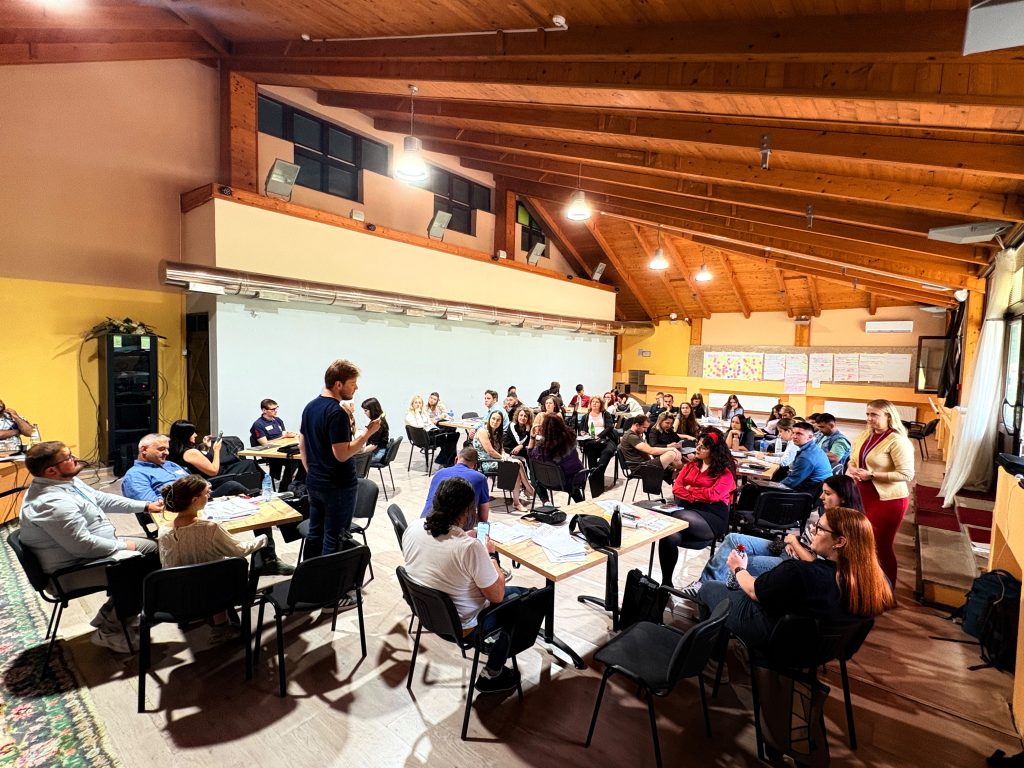
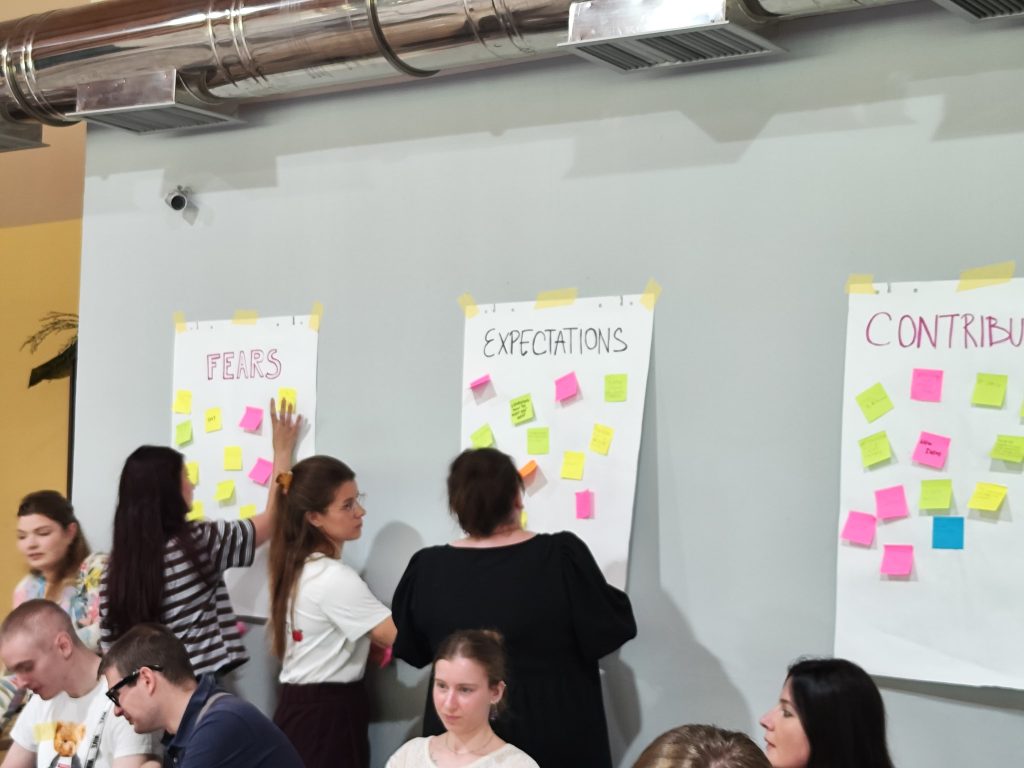
However, the space created at the training did not strive for imposed solutions; instead, it focused attention on a shared, human goal that connects us all: how to help young people who are invisible to the system. During crucial days in the “Project Lab,” as participants sat side by side, analyzing research data, breaking down budgets, and co-designing pilot projects to be scaled from the regional level to local communities, the invisible walls began to give way. Working together to solve the problems of the NEET population demonstrated that the challenges faced by youth in Bosnia and Herzegovina, Serbia, Albania, Kosovo, or Montenegro are nearly identical.
At the end of the week, during a spontaneous reflection and group discussion, an important observation was shared by the participant. She highlighted that the safe space created at the training, combined with practical collaborative tasks and the empathy of her peers, helped her see the real value of such initiatives firsthand. The experience on Mt. Kopaonik opened up a new perspective on cross-border cooperation, proving that direct human contact and a shared mission possess the power to quietly yet profoundly bridge distances and offer a different outlook on our common future.
From Individual Transformations to Systemic Infrastructure
This story brings us back to the core essence and mission of the “Not Neat to be NEET” project—strengthening the capacities of civil society organizations to create new, more inclusive approaches to working with young people facing barriers in employment or education. For the Local Democracy Agency Mostar (LDA Mostar), this project has proven that true change, institutional knowledge, and mutual trust are not built through theory, but exclusively through the direct exchange of experiences in a real working environment. Young people in Bosnia and Herzegovina need support rooted in the most modern European youth work practices, where the NEET population stops being viewed as a statistical problem and starts being recognized as an untapped societal resource.
“The NEET population reminds us that youth inclusion is not the responsibility of a single sector, but a collective task for society as a whole. When educational institutions, healthcare and social welfare systems, youth organizations, and local communities act in a coordinated manner, they create conditions in which young people can develop their potential and actively contribute to the community. The Erasmus+ program provides an invaluable framework for such cooperation, enabling organizations to develop innovative and inclusive approaches based on the real needs of young people. The ‘Not Neat to be NEET’ project demonstrates just how vital international partnerships and the exchange of experiences are for building high-quality support systems for youth with fewer opportunities.”
— Maja Vejzović-Voloder, Project Coordinator in Bosnia and Herzegovina, Local Democracy Agency Mostar
The crowning moment of this process took place during the final plenary session of the training course. Following days filled with intensive work on creating outreach strategies, mastering complex financial mechanisms for inclusive support, and designing joint project applications, the participants translated all of their practical efforts into a permanent platform by establishing the regional network “Inclusion Coordinators Across Borders.” This network will ensure that the cooperation initiated on Mt. Kopaonik does not end with the conclusion of the training course, but instead becomes a lasting regional infrastructure. It will enable youth workers to co-create new initiatives, exchange inclusive tools, and take systemic action toward institutions.
Inclusion as a Prerequisite, Not a Final Step
In our societies, inclusion is frequently viewed through the prism of other existential challenges—treated as a final step in social development that can only be prioritized once “larger” political problems are resolved. This training, along with the entirety of the “Not Neat to be NEET” project, proved exactly the opposite: it demonstrated that inclusion is a fundamental prerequisite for development. When we create a work system that adapts to the actual needs of the individual—whether it is a neurodivergent young person in NEET status or a youth worker carrying the weight of regional prejudices—we do not just lower negative statistics; we open up space for potential that was entirely invisible and unheard until yesterday.
Following this training course, the young youth workers returned to their respective communities with living proof that cross-border cooperation in the Western Balkans is not just a utopian phrase from European strategies. It is a real, tangible, and deeply necessary infrastructure for social change that we build together, finding resources in one another and learning from each other.
 Co-funded by the European Union. Views and opinions expressed are however those of the author(s) only and do not necessarily reflect those of the European Union or the European Education and Culture Executive Agency (EACEA). Neither the European Union nor the EACEA can be held responsible for them.